Skin exfoliation products
 Skin moisturizing products
 Skin cleansers
 Sun protection products
 Skin whitening products
 Skin serums
 Korean skin care products
 Skin masks
 Natural skin care products
 Shampoo
 Hair cream bath and masks
 Hair styling products
 Hair oils and serums
 Hair dyes
 Natural hair products
 Baby strollers
 Baby toys
 Baby carriers
 Car seats
 Baby walkers
 Baby rockers
 Baby beds
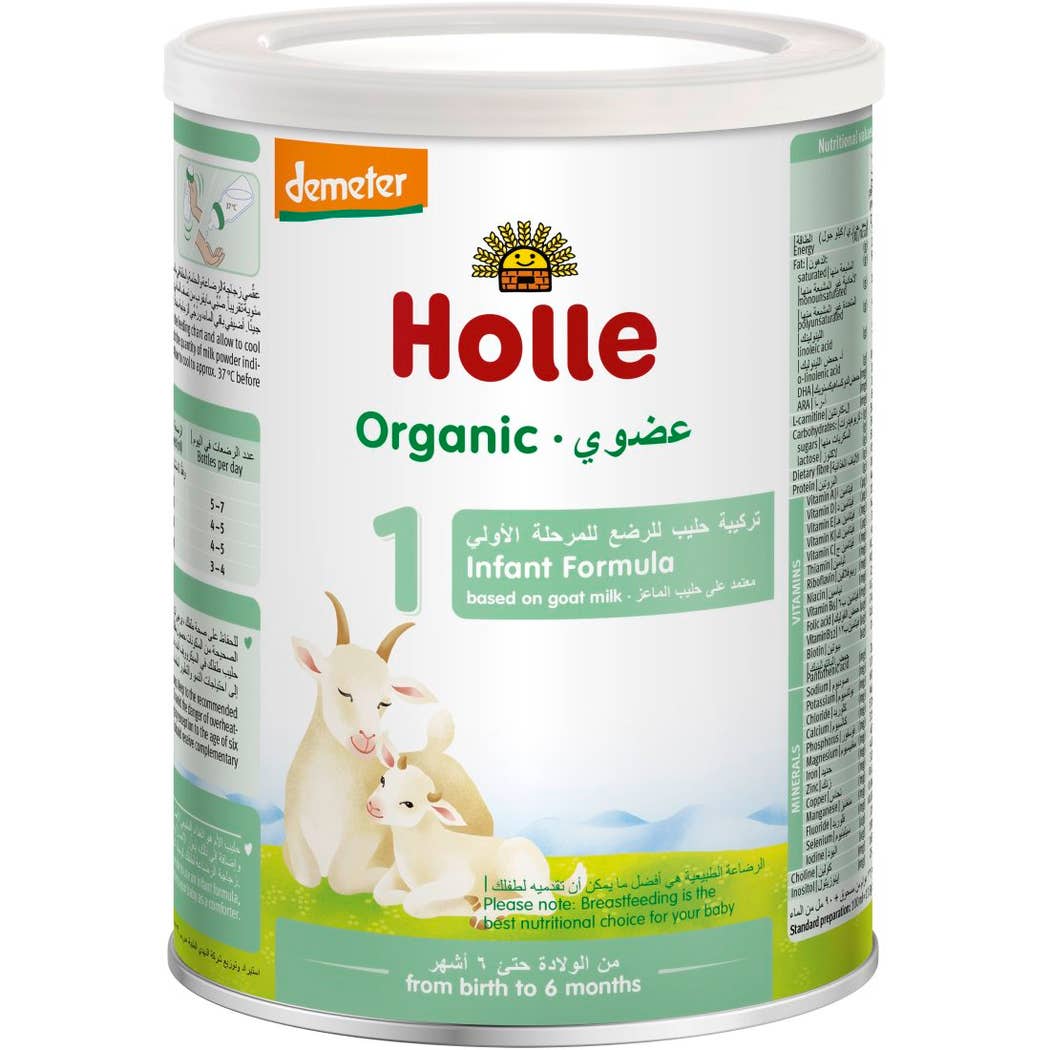 Baby milk
 Baby food
 Baby feeding supplies
 Baby bottles
 Pacifiers
 Teethers
 Baby hygiene care
 Skin care for babies
 Diapers
 Perfumes for babies
 Women’s perfumes
 Men’s perfumes
 Unisex perfumes
 Oriental perfumes
 Luxury perfumes
 Hair perfumes
 Deodorants
 Body and shower care
 Women’s care products
 Men’s care products
 Sexual health
 Lipsticks
 Eye Makeup
 Face Makeup
 False nails and lashes
 Contact Lenses
The Difference Between Infant Formula Types: Everything You Need to Know About the Different Milk Formulas


One of the most important concerns for new mothers who need an alternative source of nutrition or supplementation alongside breast milk is understanding the difference between infant formula types. Why might a doctor prescribe one type over another? And can formulas be switched easily, or are there fundamental differences that prevent interchangeability?
What Is Infant Formula?
Infant formula is a manufactured substitute designed to resemble breast milk. It can be used in specific cases, such as:
- Maternal death: When the mother passes away during or shortly after childbirth, formula becomes the safest alternative to provide the newborn with the closest nutrition to breast milk.
- Severe maternal illness: Certain conditions, like cancer treated with chemotherapy or radiation, may prevent breastfeeding.
- Infant allergies: Some babies may have allergies that require avoiding certain components of breast milk. Doctors may recommend specialized formula for such cases.
- Low or absent milk supply: When breast milk is insufficient or completely absent, doctors prescribe formula as a substitute.
Breastfeeding vs. Formula Feeding – When Do Doctors Recommend Formula?
Breastfeeding remains the gold standard, especially during the first six months, as long as the mother’s health permits. Benefits include:
- Easy digestion and natural antibodies.
- Lower risk of allergies and illnesses.
Doctors only recommend infant formula in specific situations, as noted above.
Types of Infant Formula – Based on Composition
1. Cow’s Milk–Based Formula
Description: The most common type, processed to make the protein closer to breast milk, enriched with vitamins and minerals.
Advantages:
Backed by extensive research, suitable for most babies without allergies.
Popular brands: NAN, Similac, Aptamil.
2. Soy-Based Formula
Description: Made with soy protein instead of cow’s milk protein.
Advantages:
Lactose-free, suitable for cow’s milk protein allergies, sometimes prescribed for galactosemia.
3. Hydrolyzed (Hypoallergenic) Formula
Description: Proteins are broken down into smaller fragments for easier digestion.
Advantages:
Suitable for babies with severe allergies or digestive issues (colic, gas). Available in partially or fully hydrolyzed types.
4. Specialized Medical Formula
Description: Tailored for conditions like reflux, prematurity, or heart disease.
Advantages:
May contain added starch to reduce reflux or higher calories for preterm infants. Used strictly under medical supervision.
Types of Infant Formula – Based on Ingredients
1. Carbohydrates
- Lactose is the main sugar in most formulas.
- Some formulas use alternative sugars for lactose intolerance.
- Starch is added to anti-reflux formulas for thickness.
2. Proteins
- Cow’s milk protein modified for easier digestion.
- Soy protein as a plant-based alternative, though not always suitable for every allergy.
3. Fats and Vitamins
- DHA and ARA support brain and eye development.
- Iron and Vitamin D are added to meet daily needs.
When Can You Switch Between Formulas?
Switching formulas should always be based on clear reasons and medical advice:
- Negative symptoms: Rash, diarrhea, persistent colic.
- Age transitions: Moving from Stage 1 to Stage 2 after six months.
- Health changes: Improvement or development of new issues.
Frequent switching without medical supervision can cause digestive disturbances.
Specific Cases Where Formula Choice Is Fixed
1. Severe cow’s milk protein allergy
Solution: Fully hydrolyzed formula (e.g., Hero Baby HA, NAN HA) or soy-based formula if tolerated.
2. Reflux
Solution: Thickened formulas with starch (e.g., Similac AR, Bebelac AR, NAN AR).
3. Prematurity or low birth weight
Solution: High-calorie formulas enriched with minerals (e.g., NAN Pre, Aptamil PDF).
4. Lactose intolerance
Solution: Lactose-free formulas (e.g., Hero Baby LF, NAN LF).
Tips for Choosing the Right Formula
1. Always consult your pediatrician before making a decision.
2. Observe your baby’s reaction (calmness after feeding, no side effects).
3. Follow medical guidelines for specific conditions.
4. Focus on quality and composition, not just advertising.
Remember: Breast milk remains the best option, but infant formula is a safe and effective solution when breastfeeding isn’t possible
FAQs
Can I mix different formulas?
Not recommended unless under medical supervision, especially during gradual transitions.
What’s the difference between organic and regular formula?
Organic is free from pesticides and hormones, but there’s no strong evidence of superior nutrition.
When should formula feeding stop?
After age one, whole cow’s milk can be introduced alongside solid foods, though some formulas (toddler milk) can be used up to age three.
Do all formulas cause gas?
Some may cause temporary gas during adjustment. If symptoms persist, a different formula may be needed.
Why Choose Pharmacista?
1. Wide range of international infant formulas (e.g., NAN, Similac, Humana).
2. Guaranteed authentic products with quality certificates.
3. Expert pharmaceutical consultations for guidance.
4. Fast delivery across Saudi Arabia.
5. Competitive prices and ongoing offers.
6. Verified product information for safe choices.
7. 24/7 customer support.
8. Flexible return policy.
9. Loyalty rewards on every purchase.
10. Trusted medical knowledge through a specialized blog.
Discover our range of infant formulas and baby essentials now – choose the best for your baby with confidence!